Water Damage Restoration vs Mold Remediation in Loveland: Understanding the Difference
Published: 2026-04-20 · By AlphaWave Water Damage Cleanup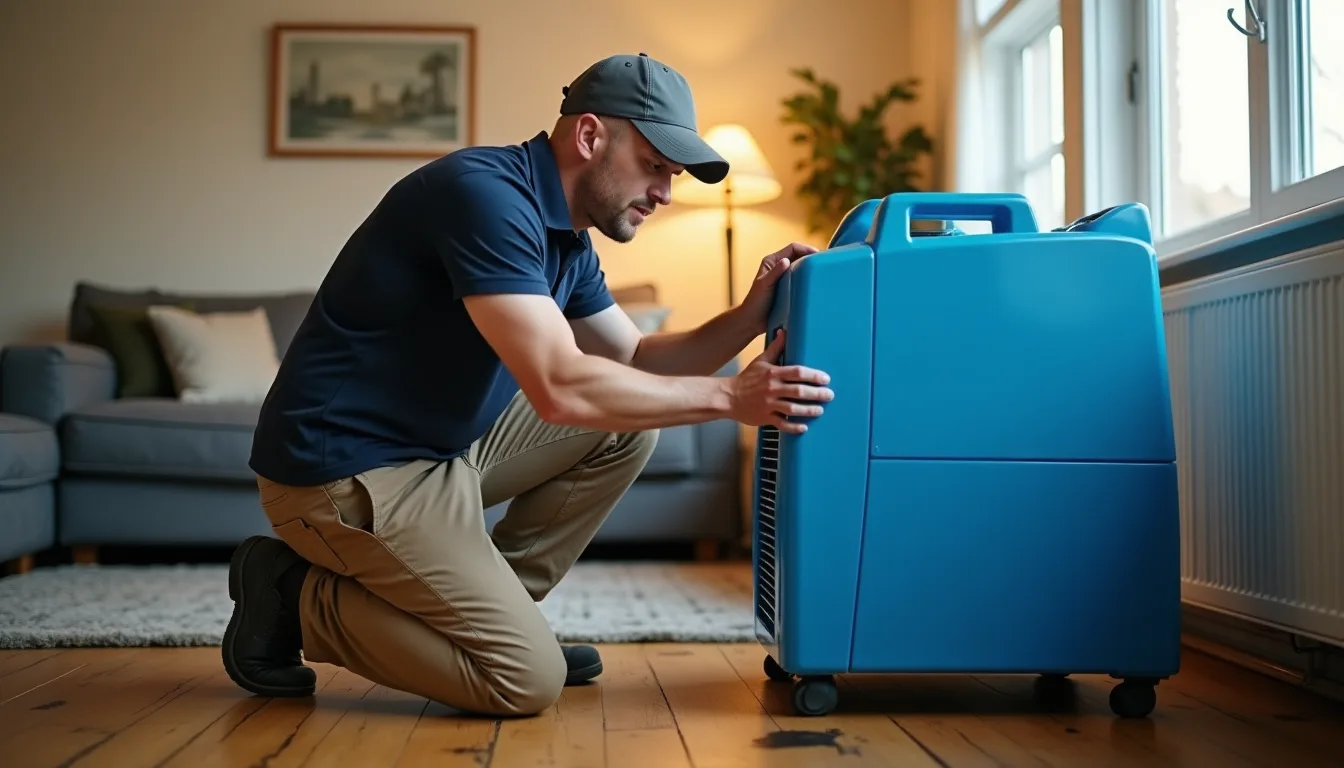
Imagine waking up in your Loveland home after a heavy spring snowmelt, only to find water pooling in your basement. This scenario is all too common, given the region's rapid temperature changes and expansive clay soils. It raises a crucial question: should you focus on water damage restoration, or is mold remediation necessary? Understanding the difference between the two processes can save you both time and money as you navigate water-related issues in your Loveland home.
Why This Matters for Loveland Homeowners
The weather in Loveland can be unpredictable, with rapid temperature swings, hail storms, and the potential for heavy snowfall in the spring. These conditions often lead to severe water damage, particularly in homes built on expansive clay soils that may struggle with drainage. When water infiltrates your property, it doesn't just create a mess; it poses significant threats to your home's structural integrity. It is essential to address water damage promptly to avoid further complications, including mold growth, which can present health risks.
The concern is not just immediate property damage. Old pipes and plumbing systems, often prevalent in older Loveland homes, can exacerbate leakage issues during freeze-thaw cycles, causing cracks and further water intrusion. By properly understanding and addressing water damage versus mold remediation, homeowners can protect their investments and ensure a safe living environment.
Ignoring water damage can lead to mold growth within 24-48 hours. After a flooding event, taking swift action is crucial.
Expert Solutions & Actionable Tips
1. Identify the Source of Water Damage
Before any restoration work can begin, pinpointing the source of water infiltration is vital. In Loveland, this could stem from weather-related flooding or plumbing failures. It’s advisable to consult a professional who can locate leaks effectively, which may cost around $100 to $300 depending on the complexity. Timely detection and repair can mitigate extensive structural damage.
2. Assessing the Extent of Damage
Once the source is identified, assess the damage thoroughly. In Loveland, water damage assessments often range from $200 to $600. Professionals will check for moisture levels in walls, floors, and ceilings, which contributes to understanding if mold may develop post-exposure, ensuring that all affected areas are documented before work begins.
3. Mold Testing and Removal
If water damage is left unchecked, mold may develop rapidly. Testing services in Loveland typically cost between $100 and $300. Removal not only involves cleaning but often requires replacement of affected materials, leading to a total cost that can exceed $1,000 depending on the severity.
4. Drying and Dehumidification
Effective drying is crucial after water damage. In Loveland's climate, dehumidifiers are often used to maintain optimal moisture levels, which may cost about $200 to $500 in rental fees. Professional services can dry out areas in about 3-5 days, depending on the extent of the water intrusion.
5. Understanding Local Building Codes
Local building codes in Loveland may require specific precautions during renovations caused by water damage. Homeowners should be familiar with these regulations to avoid potential fines. Consulting a professional can help navigate these requirements, ensuring compliance while conducting repairs.
6. Regular Maintenance Checks
Preventing water damage starts with routine maintenance. In Loveland, homeowners should inspect their roofs, gutters, and drainage systems biannually, especially before and after the spring melt. Neglecting these checks can lead to costly repairs, often ranging from $500 to $5,000, depending on the severity of the damage.
Loveland Climate & Local Context
Loveland's unique climate creates specific challenges for homeowners regarding water damage restoration. Rapid temperature swings can put stress on homes built on expansive clay soils, leading to foundational issues. Additionally, heavy spring snowmelt can overwhelm drainage systems, resulting in excess water infiltration and damage.
Local codes and permit considerations are essential to keep in mind when undertaking repairs. Understanding these legal requirements will streamline your restoration efforts and limit any potential red tape when dealing with local authorities. It is advisable to consult local restoration professionals who are familiar with the Loveland landscape and regulatory framework to ensure compliance and safety during restoration projects.
When to Call a Professional
Determining when to handle water damage on your own versus calling a professional can be challenging. Generally, DIY methods are appropriate for minor leaks or surface-level damage. However, if you encounter any of the following red flags, it is best to consult a pro:
- Water damage covering more than 10 square feet
- Significant mold growth or visible signs of mold
- Prolonged exposure (more than two days) to standing water
- Unpleasant odors that persist beyond cleaning
- Involvement of electrical wiring or heavy appliances in the damaged area
- Uncertainty about the source of water intrusion
Engaging professionals will ensure the proper handling of safety protocols and mitigate further damage.
Frequently Asked Questions
What should I do if I discover water damage in my home?
Immediately stop the source of water if possible, remove valuable items from the affected area, and contact AlphaWave Water Damage Cleanup at (970) 251-9697 for a professional assessment.
How quickly should I act after experiencing water damage?
It’s critical to act within 24 hours to prevent mold growth and other issues. The quicker you respond, the better your chances of salvaging materials.
Does my homeowner’s insurance cover water damage restoration?
Most homeowner policies cover water damage, but it’s essential to review your specific policy or consult with your insurance agent for precise details related to coverage.
How can I prevent mold after water damage?
Mold prevention involves thorough drying of affected areas within 48 hours. Utilizing dehumidifiers and ensuring proper ventilation can significantly help.
What’s the difference between water damage restoration and mold remediation?
Water damage restoration focuses on removing water and repairing physical damage, whereas mold remediation specifically addresses and removes mold grown as a consequence of water exposure.
Get Expert Water Damage Restoration Service in Loveland
If you’re facing the challenges of water damage in Loveland, don’t hesitate to call (970) 251-9697. At AlphaWave Water Damage Cleanup, we are here to help you restore your home safely and promptly.
Our local expertise combined with understanding the unique conditions in Loveland ensures you receive the best service for your water damage restoration needs.
More Articles
Why Loveland's Older Neighborhoods Face Higher Water Damage Restoration Risk
2026-04-20
Water Damage RestorationBlack Mold vs Regular Mold After Water Damage Restoration in Loveland
2026-04-20
Water Damage RestorationThe Loveland Homeowner's Complete Water Leak Detection Guide
2026-04-20